Square is brilliant when you are starting out: no monthly fee on the base plan, cheap hardware, set up in an afternoon. The catch is the model. Square takes a flat percentage of every single dollar you take, so the cost climbs in lockstep with your success. Foodhub charges a mostly flat platform fee instead. The busier you are, the more that difference matters. Here is the honest, side by side read.
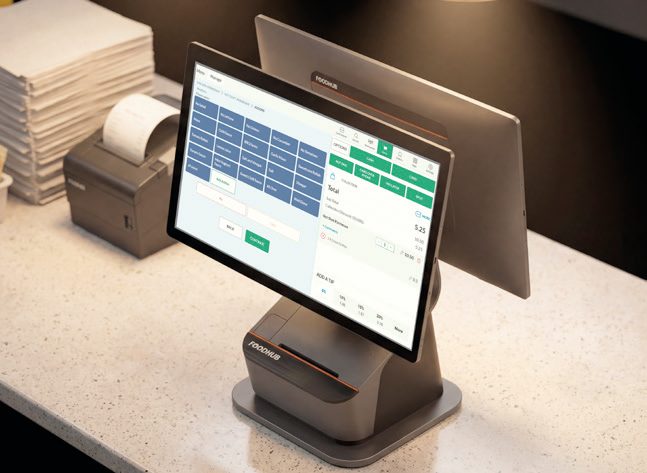
On the essentials, both cover a venue well: POS, online ordering, payments and kitchen displays. Square is the slicker out of the box experience and the easier starting point. Foodhub leans more to phone heavy and delivery heavy venues with its caller ID and free marketplace listing. For most busy venues, both do the daily job, so features are not where the decision is made.
The decision is made on how each one charges. Square takes a flat percentage of every sale, currently around 1.6% in person and 2.2% online for accounts opened from 30 May 2024, with no monthly fee on the base plan. Foodhub charges a mostly flat platform fee and takes no commission on your own or marketplace orders, with only processing on top. At low volume Square's no fee model wins easily. At high volume a percentage that never stops growing is the most expensive line in your stack, and that is the whole game.
Square: no base monthly fee, but a flat percentage on every sale, around 1.6% in person and 2.2% online. Foodhub: a mostly flat platform fee, no commission on your own or marketplace orders.
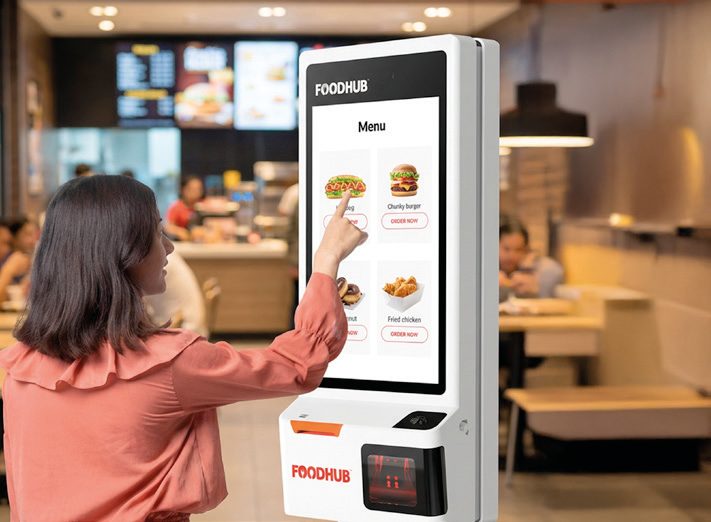
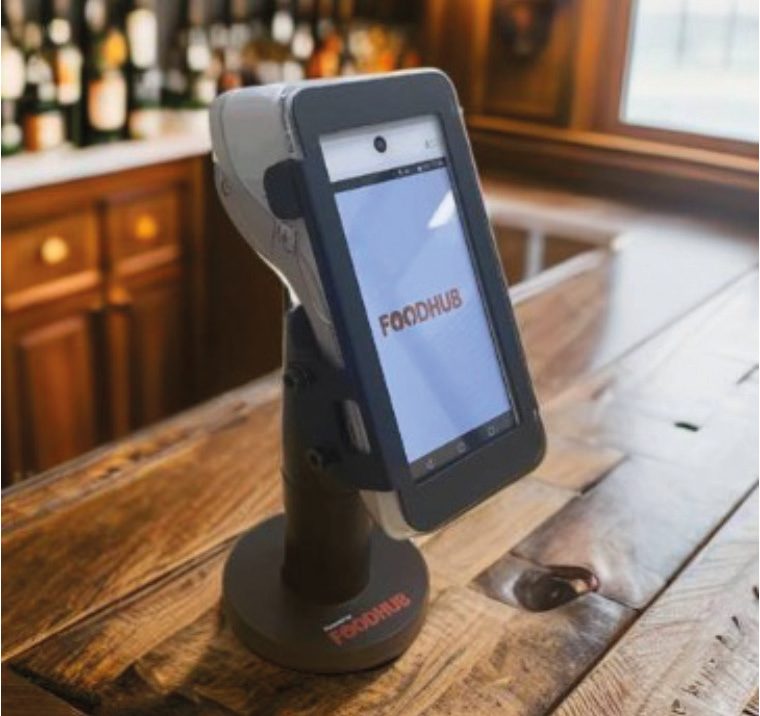
Square hardware is cheap and bought outright, from a $65 reader up to the register. Foodhub supplies EPOS terminals, kiosks and payment devices as part of the platform.
Square is the fastest setup in the market, no lock in, ideal for a new venue. Foodhub is more of a considered onboarding, aimed at venues already doing volume.
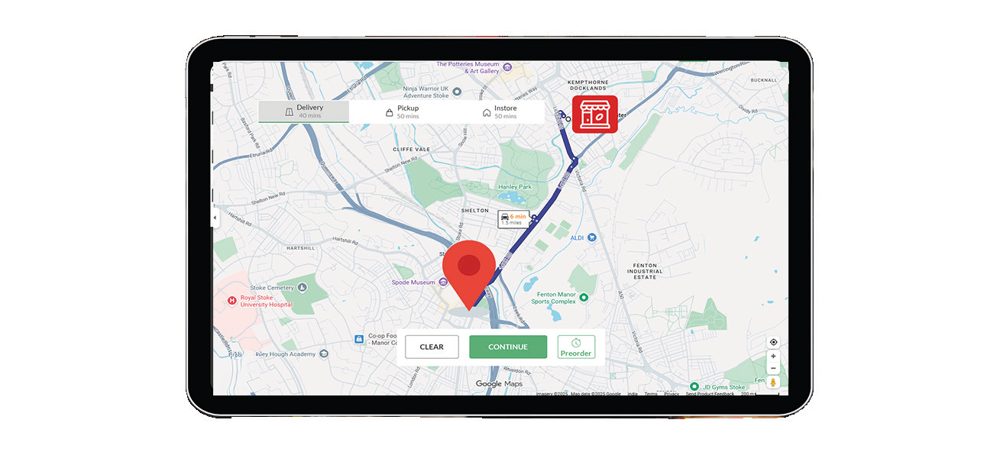
Foodhub gives EPOS partners a free marketplace listing with no commission on those orders, just processing. Square charges its higher 2.2% online rate on every online sale. On a delivery heavy venue, that gap adds up fast.
Take a single venue turning over $1,000,000 a year in card and online sales, an ordinary number for a busy cafe, restaurant or takeaway. Below is the indicative annual cost of the platform and payments side under each model, assuming a typical mix of in person and online sales. These are worked estimates using each provider's published or widely reported rates, not a formal quote, and your real figures depend on your card mix, online share and the deal you negotiate. The point is the shape, not the cent.
| Cost line | Square | Foodhub usually lower at volume |
|---|---|---|
| Platform / software | $0 on the base plan, or from $69 a month for Square for Restaurants | Flat platform fee, often quoted around $2,500 to $3,000 a year |
| In person processing | 1.6% on every in person sale | ~1% to 1.6% on processing, by volume |
| Online processing | 2.2% on every online sale | $0 commission on own and marketplace orders, processing only |
| Indicative payments total | ~$17,000 to $22,000 a year, depending on online share | ~$13,000 to $19,000 a year |
| Cost behaviour | Scales up with every dollar you take | Mostly flat, does not climb with a good week |
Here is the honest nuance, because Square is genuinely good. At low turnover, Square's no monthly fee model is cheaper, full stop, and we will tell a new venue exactly that. But a percentage scales with your success while a flat fee does not, so there is a crossover point, usually somewhere around the half a million to one million dollar mark depending on your online share, beyond which Foodhub pulls ahead and keeps pulling ahead. The busier you are, and the more you sell online, the wider that gap.
One more thing that lands hardest on high turnover venues. From 1 October 2026, surcharging on Visa, Mastercard and EFTPOS is banned in Australia, so you can no longer pass Square's percentage to the customer. The fee comes out of your margin instead, and the more you process, the more it hurts. That makes the difference between a percentage model and a flat one matter more from October, not less, and it is a real reason for a busy venue to run the numbers now.
We rate suppliers independently, and we earn a fee from some of them, including Foodhub. That is exactly why we put both sides in writing, including where Square is the better answer. Here is the balanced picture.
Foodhub does not publish a fixed price list, and we will not invent one. The fee is set on a usage based model, so a single terminal cafe and a three site group pay very different things. What we can tell you is the shape of it, and the rough range venues report. The contrast with Square is the structure: Foodhub is mostly flat with no commission on your orders, while Square charges a flat percentage on every sale. The strip below is the Foodhub model.
These are indicative figures based on what venues report and the published model, not a formal quote. The real number depends on your terminals, volume and which parts of the suite you take. For the full Square pricing structure, including its processing rates, see our Square review. Getting you an accurate, negotiated Foodhub number and comparing it honestly against Square for your venue is exactly what we do, free.
Foodhub is one option. Here is how it sits alongside the other POS systems we review, so you can weigh them side by side.
Weighing up a few systems? These break down the same way, on total cost for a real venue, not the marketing.
Tell us your rough monthly card and online volume and we will run the real Foodhub versus Square numbers for your venue, not a generic estimate. We are a Foodhub partner, so we can get you an accurate negotiated quote, and we will tell you honestly if Square or another option suits you better. Free, no obligation, reply within 48 hours.