Both run a venue end to end. They charge very differently. Lightspeed sells tiered monthly plans, then adds modules and payment processing on top, so the bill grows as you bolt on features and volume. Foodhub charges a mostly flat platform fee and takes no commission on your own or marketplace orders. For a busy venue, the way the bill is built is what decides the winner. Here is the honest, side by side read.
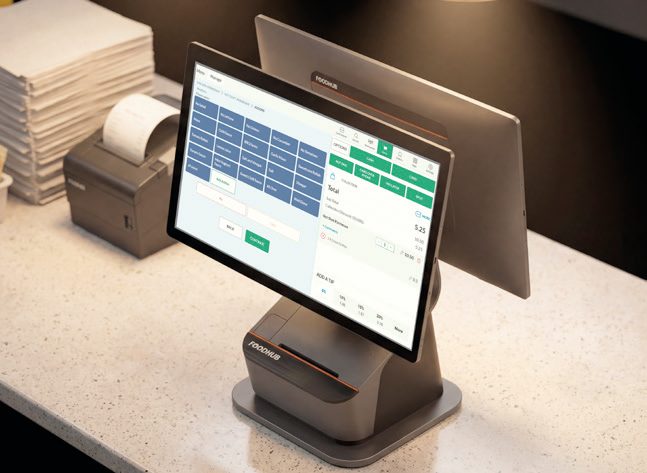
On capability, Lightspeed is arguably the deeper system, with strong inventory, reporting and a long track record in serious hospitality. Foodhub matches it on the essentials most venues use day to day: POS, online ordering, kitchen displays and payments. For a typical busy venue, both cover what you need, so capability is not usually where the decision is made.
The decision is made on how the bill is built. Lightspeed starts with a monthly plan, from a basic tier up to higher tiers, then charges extra for added registers and modules, with payment processing on top. Each piece is reasonable on its own, but they stack. Foodhub charges a mostly flat platform fee, takes no commission on your own or marketplace orders, and adds only processing. The more registers, modules and online orders you run, the more the stacked model costs, and that is where the gap opens up.
Lightspeed: a monthly plan, plus modules, plus processing. Foodhub: a mostly flat platform fee, no commission on your own or marketplace orders, just processing on top.
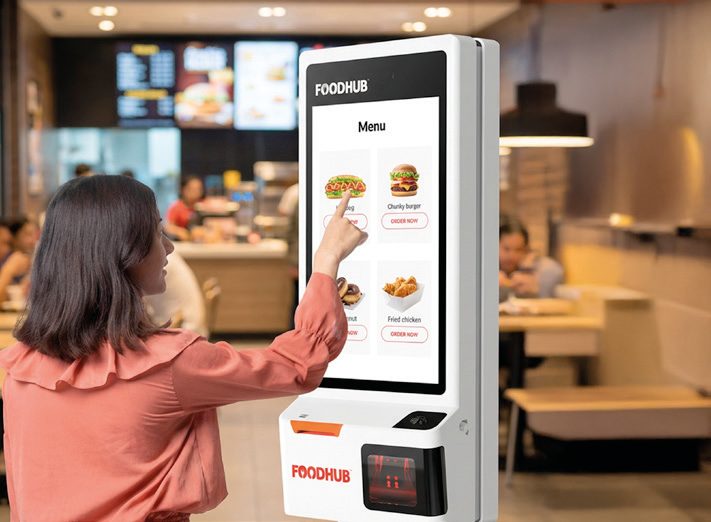
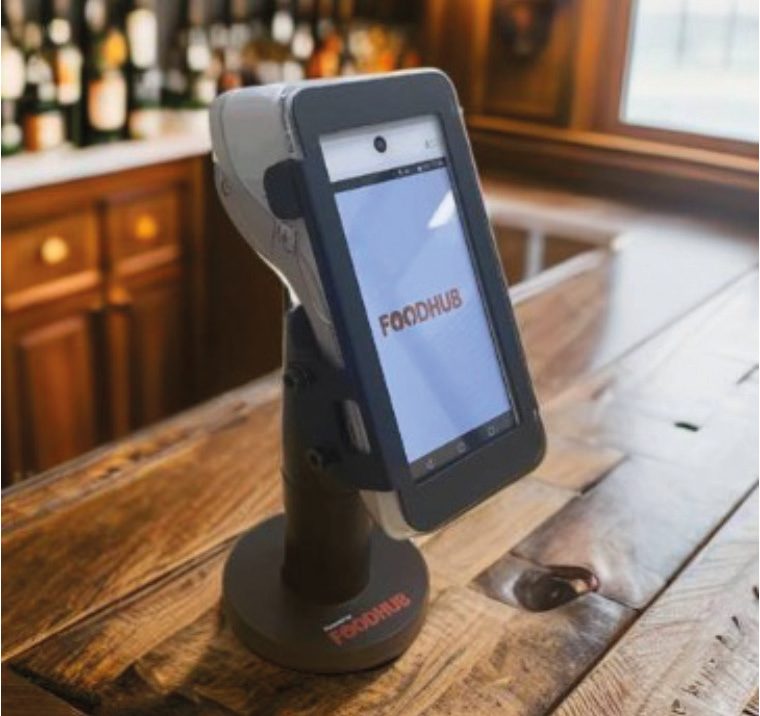
Lightspeed runs on iPads and standard hardware, flexible but an extra cost you source and maintain. Foodhub supplies EPOS terminals, kiosks and payment devices as part of the platform.
Lightspeed extras like advanced insights, purchasing, loyalty, extra registers and kitchen screens each carry a monthly fee. Buying several can quietly double the headline plan price.
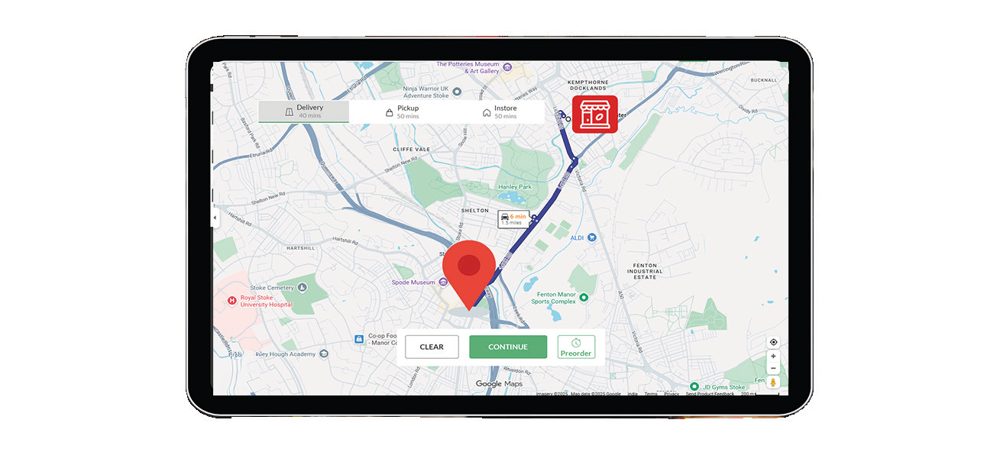
Foodhub gives EPOS partners a free marketplace listing and charges no commission on those orders, just processing. With Lightspeed, online ordering and delivery integrations are paid modules plus processing. On a delivery heavy venue, that difference adds up.
Numbers make this real. Take a single venue turning over $1,000,000 a year in card and online sales, which is an ordinary number for a busy cafe, restaurant or takeaway. Below is the indicative annual cost of the payments and platform side under each model. These are worked estimates using each provider's published or widely reported rates, not a formal quote, and your real figures depend on your card mix, online share and the deal you negotiate. The point is the shape, not the cent.
| Cost line | Lightspeed | Foodhub usually lower |
|---|---|---|
| Platform / software | Plan from $120 to $340 a month, so roughly $1,440 to $4,080 a year | Flat platform fee, often quoted around $2,500 to $3,000 a year |
| Modules and add ons | Insights, purchasing, loyalty, extra registers and kitchen screens are each extra monthly, commonly another $1,000 to $3,000 a year | Bundled into the platform fee |
| Payment processing | By volume on Lightspeed Payments, confirm your rate | ~1% to 1.6% on processing, by volume |
| Online order cost | Online ordering as a paid module, plus processing on every order | $0 commission on own and marketplace orders, processing only |
| Indicative platform + add ons | ~$3,000 to $7,000 a year before processing | ~$2,500 to $3,000 a year, processing included in the model |
Lightspeed headline plan price is rarely the real bill. The platform is excellent, but the modules are where the cost lives, and a busy venue tends to need several. Foodhub flat fee folds most of that into one predictable number, with no commission on your own or marketplace orders. For a venue doing real volume, especially a delivery heavy one, that usually lands lower overall.
One more thing that lands hardest on high turnover venues. From 1 October 2026, surcharging on Visa, Mastercard and EFTPOS is banned in Australia, so you can no longer pass the card fee to the customer. The fee comes out of your margin instead, and the more you process, the more it hurts. That makes the difference between a percentage model and a flat one matter more from October, not less, and it is a real reason for a busy venue to run the numbers now rather than later.
We rate suppliers independently, and we earn a fee from some of them, including Foodhub. That is exactly why we put both sides in writing, including where Lightspeed is the better answer. Here is the balanced picture.
Foodhub does not publish a fixed price list, and we will not invent one. The fee is set on a usage based model, so a single terminal cafe and a three site group pay very different things. What we can tell you is the shape of it, and the rough range venues report. The contrast with Lightspeed is the structure: Foodhub is mostly flat with no commission on your orders, while Lightspeed is a monthly plan plus paid modules plus processing. The strip below is the Foodhub model.
These are indicative figures based on what venues report and the published model, not a formal quote. The real number depends on your terminals, volume and which parts of the suite you take. For the full Lightspeed pricing structure, including its plans and modules, see our Lightspeed review. Getting you an accurate, negotiated Foodhub number and comparing it honestly against Lightspeed for your venue is exactly what we do, free.
Foodhub is one option. Here is how it sits alongside the other POS systems we review, so you can weigh them side by side.
Weighing up a few systems? These break down the same way, on total cost for a real venue, not the marketing.
Tell us your rough monthly card and online volume and we will run the real Foodhub versus Lightspeed numbers for your venue, not a generic estimate. We are a Foodhub partner, so we can get you an accurate negotiated quote, and we will tell you honestly if Lightspeed or another option suits you better. Free, no obligation, reply within 48 hours.